For decades we have been taught that progress is measured by one word: growth. If the economy grows, we are doing well. If the GDP increases, we are moving forward. If we produce more, we will live better. But the reality of many territories forces us to ask ourselves an uncomfortable question:
Is it necessary to grow to prosper?
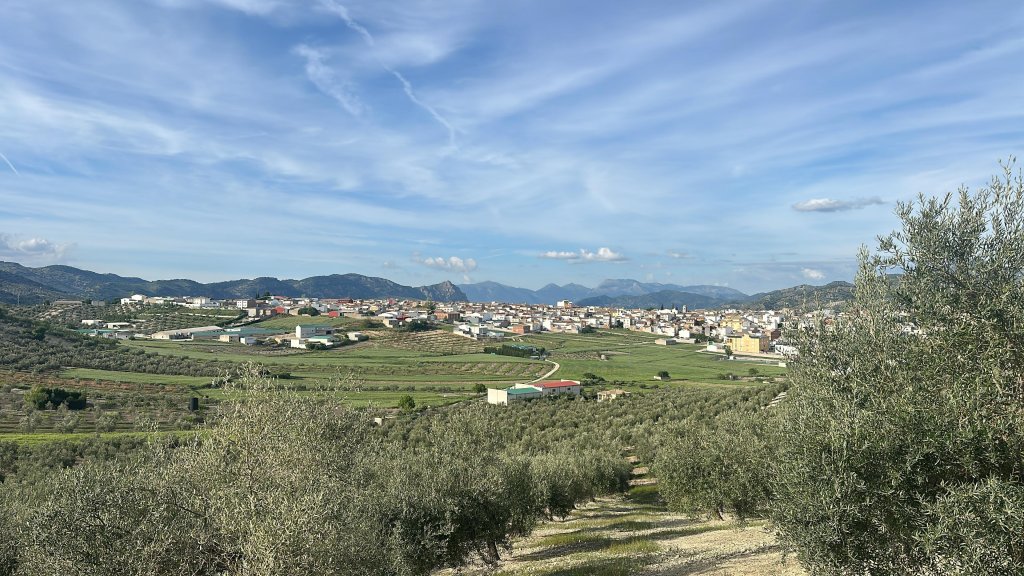
Jaén is a world leader in olive oil production. It has two natural parks of enormous ecological value, exceptional historical heritage, a strategic position in Andalusia, and significant export capacity. However, the demographic evolution reflects a worrying reality.
According to the report
50 years of economic, social, business and institutional evolution of the provinces in Spain (1975-2025) by the Chamber of Commerce of Spain, the population of Jaén decreased from 668,187 inhabitants in 1970 to 627,568 in 2021, representing a loss of 6.08%. In that same period, Spain increased its population by 39.25%. The same report points out that Andalusia is among the regions with the lowest levels of income per capita, specifically highlighting Jaén among the provinces with the lowest values.
This does not mean that there has been no economic progress. There has been. But it does indicate that aggregate growth does not always automatically translate into a proportional improvement in the economic capacity of families. The province continues to record unemployment rates significantly higher than the national average, a reality that limits the ability to retain young population and attract new economic activities. In other words, producing more does not necessarily guarantee generating more quality opportunities for those living in the territory. The question is inevitable:
How can a province generate wealth and, at the same time, lose population for decades? The problem is not only economic
When we talk about depopulation, we often automatically think of a lack of economic activity. However, as always, reality is more complex. Every year, thousands of young people from Jaén study, train, and develop talent inside and outside the province. Many end up building their life project in Madrid, Granada, Seville, Barcelona, or abroad. In some cases, because they find professional opportunities there that are difficult to find in Jaén. But it is not always solely a matter of employment. The idea of success that we have collectively built also influences.
For decades, we have associated progress with moving to a big city, accessing broader job markets, or being part of more dynamic economic environments. However, more and more people are starting to question whether success consists solely of earning more money or developing a more competitive professional career. Factors such as access to housing, available time for personal life, family proximity, security, contact with nature, mobility, cost of living, or quality of social relationships are also part of well-being. And in many of these aspects, Jaén offers comparative advantages that often go unnoticed.
Of course, the province needs to generate more opportunities, attract responsible investment, diversify its economy, and create qualified employment. But perhaps we also need to rethink what we understand by prosperity and what model of life we consider desirable. Therefore, the real challenge does not consist solely of producing more wealth. It consists of ensuring that this wealth translates into well-being, opportunities, and quality of life for those who decide to develop their personal and professional project here.
The proposal of the Economy for the Common Good
This is where the
Economy for the Common Good (EBC) offers a particularly interesting vision. The EBC proposes a simple yet transformative idea: the success of an economy should not be measured solely by how much it produces, but by how much well-being it generates. From this perspective, a province should not be evaluated only by indicators such as GDP, exports, or agricultural production. Issues such as job quality, access to housing, equal opportunities, ecosystem health, citizen participation, social cohesion, territory resilience, and the ability to retain and attract young population should also matter.
The question changes from:
How much do we grow? to:
Do we live better?
Because a province will truly prosper when its inhabitants do not have to choose between developing a professional career and enjoying a good quality of life. And perhaps therein lies one of the great future opportunities for Jaén.
What would applying the EBC in Jaén mean?
It would mean measuring the success of the province with a broader perspective. For example: How many young people can develop their life project here? What percentage of the added value of olive oil actually stays in the territory? Are we creating stable employment or precarious employment? Are we preserving our natural resources for future generations? Do investments contribute to strengthening local communities? Is the quality of life improving in rural municipalities?
From this perspective, an investment is not positive solely because it generates economic activity. It must also contribute to collective well-being and the sustainability of the territory.
Are we building a province where our daughters and granddaughters want to stay?
The Economy for the Common Good precisely proposes that: measuring economic success by the ability to generate dignity, opportunities, social cohesion, sustainability, and shared well-being. And perhaps therein lies one of the most important keys to Jaén's future.
I was born and raised in Catalonia, where I developed a large part of my professional career. However, a few years ago, I decided to move to
Noalejo, in the
Sierra Mágina of Jaén. It was not an economic decision. It was a quality of life decision. I found a way of living that I greatly value today: the proximity of people, human warmth, daily contact with nature, a more balanced pace of life, and a community where it is still possible to build real relationships. But I also found social dynamism, cultural initiatives, entrepreneurial capacity, and opportunities to continue growing personally and professionally. We often talk about attracting talent to Jaén. Perhaps we should also start recognizing that Jaén already possesses many of the elements that more and more people are seeking today: well-being, community, security, accessibility to housing, natural environment, and quality of life.
The Economy for the Common Good precisely proposes expanding our view on development. Not measuring success solely by the wealth we generate, but also by our ability to create dignity, opportunities, social cohesion, sustainability, and shared well-being. Because, in the end, the true progress of a territory is not measured solely by how much it produces, but by how many people wish to stay, return, or build their future there.
And perhaps therein lies one of the most important keys to Jaén's future.
Albert Hereu
Environmental scientist and economist
Article originally published on Rebullentopia.com